The Hidden Cost of Not Having a Website

Karlis Baisden
Author
The Hidden Cost of Not Having a Website: Lost Revenue, Trust, and AI Readiness
In 2025, not having a website isn’t just a missed marketing opportunity — it’s a compounding business risk.
Businesses without websites don’t just get less traffic. They make less money, appear less credible, and increasingly fall behind as competitors adopt AI-powered tools, automation, and data-driven workflows that depend on a strong digital presence.
A modern website is no longer optional. It’s foundational infrastructure for growth, trust, and long-term competitiveness.
Your website is where customers look first

Today’s buyers expect to find businesses online — and most start with search.
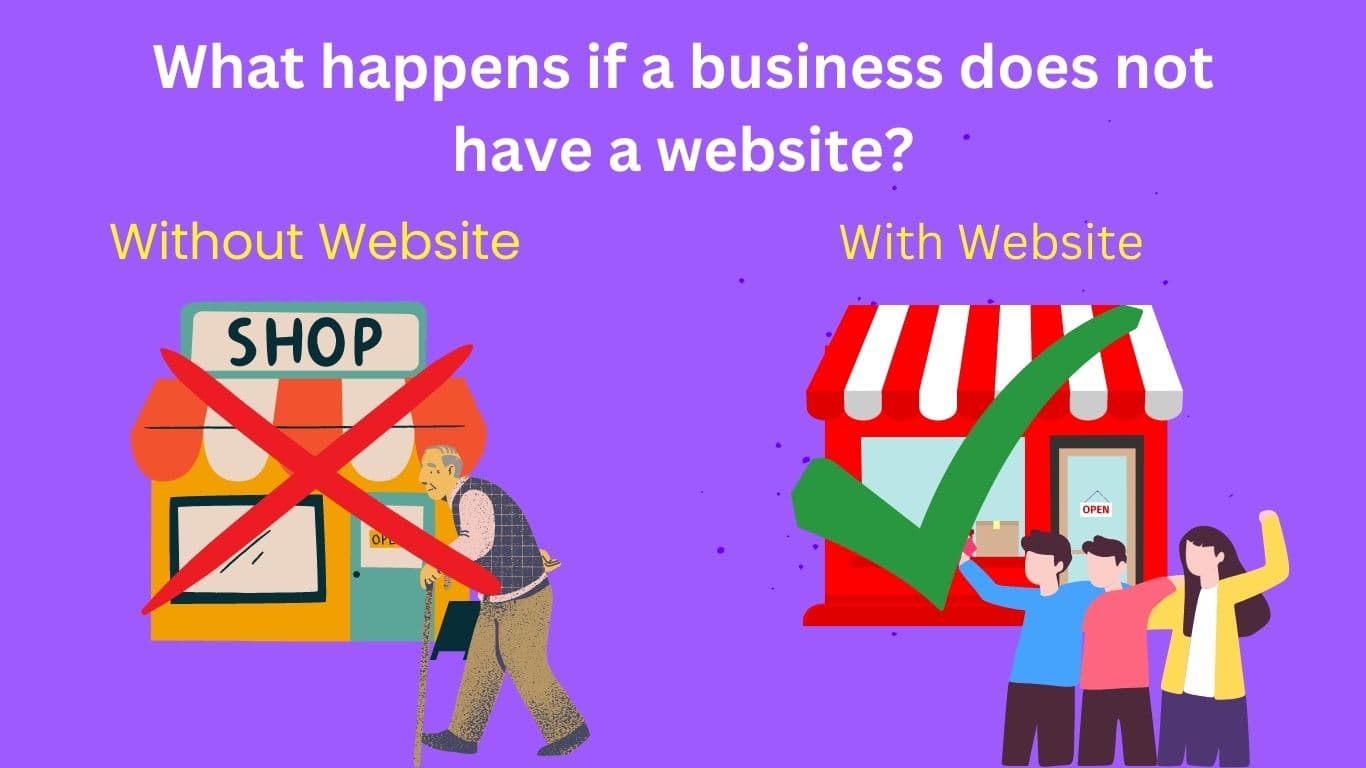
Consumers routinely research companies before making a purchase, whether they’re choosing a local service provider, evaluating a B2B vendor, or comparing prices. If your business doesn’t have a website, you’re invisible at the exact moment customers are actively looking.
When customers can’t find you online, the outcome isn’t neutral. They don’t wait, and they don’t keep searching. They choose the competitor who shows up first and looks credible enough to trust.
Hidden cost: Every missed search result is a lost opportunity that goes directly to a competitor.
Websites drive revenue you can’t replace elsewhere
A website isn’t just a digital brochure — it’s a revenue engine.
Pages optimized for search capture high-intent traffic: people actively looking for services, solutions, or answers. Unlike ads or social posts, this traffic compounds over time. One good page can generate leads month after month without additional spend.
Without a website, businesses are forced to rely more heavily on:
- Paid advertising
- Referrals alone
- Manual outreach
- Marketplaces they don’t control
These channels cost more, scale poorly, and leave you dependent on platforms you don’t own.
Organic visibility compounds. Every page you don’t publish is a missed opportunity that continues costing you in the future.
Websites build credibility — and not having one creates doubt

A professional website is one of the strongest credibility signals a business can have.
Customers use it to verify that you’re legitimate, understand what you offer, evaluate professionalism, and decide whether to trust you with their money or data.
Without a website, even strong businesses create friction:
- “Are they established?”
- “What exactly do they offer?”
- “How do I verify reviews or experience?”
- “Is this business still active?”
Credibility gap: In a digital-first economy, not having a website raises doubts — even when the business itself is capable and trustworthy.
Websites generate business 24/7

A website works even when you don’t.
It can:
- Capture leads after hours
- Book appointments automatically
- Answer common questions
- Route inquiries to the right team
- Warm up prospects before the first call
Instead of relying entirely on manual effort, a website continuously turns interest into action — making it one of the few business assets that scales without adding headcount.
Businesses without websites fall behind on AI and automation
Modern AI tools don’t operate in isolation. They rely on structured digital touchpoints — and for most businesses, the website is the hub.
Without a website, it becomes significantly harder to adopt:
- AI-powered chat and customer support
- Automated lead capture and qualification
- Intelligent scheduling and follow-ups
- Marketing automation and personalization
- Analytics that improve decision-making over time
A website often acts as the integration layer connecting CRM systems, automation platforms, analytics tools, and AI services.
Businesses without one are forced into:
- Manual workflows
- Fragmented tools
- Slower response times
- Missed data
- Higher operating costs
As competitors automate more of their customer journey, the gap widens — and it becomes increasingly difficult to catch up.
The real cost of not having a website
Not having a website isn’t free.
It costs:
- Lost revenue from customers who never find you
- Reduced trust from buyers who can’t verify you
- Higher marketing and sales effort over time
- Limited ability to adopt AI and automation
- Decreased competitiveness as the market evolves
A website isn’t just a marketing asset.
It’s business infrastructure.
And businesses that delay building that infrastructure don’t stand still —
they fall behind.
Sources & references
-
Network Solutions — Small Business Website Statistics
https://www.networksolutions.com/blog/small-business-website-statistics/ -
SmallBizSiteCreation — How Websites Impact Business Success
https://www.smallbizsitecreation.com/how-websites-impact-business-success/ -
Vendilli — The Ramifications of Not Having a Website
https://blog.vendilli.com/the-ramifications-of-not-having-a-website/

About Karlis Baisden
Founder of Cogwheel.tech, passionate about helping businesses leverage technology to achieve their goals.